
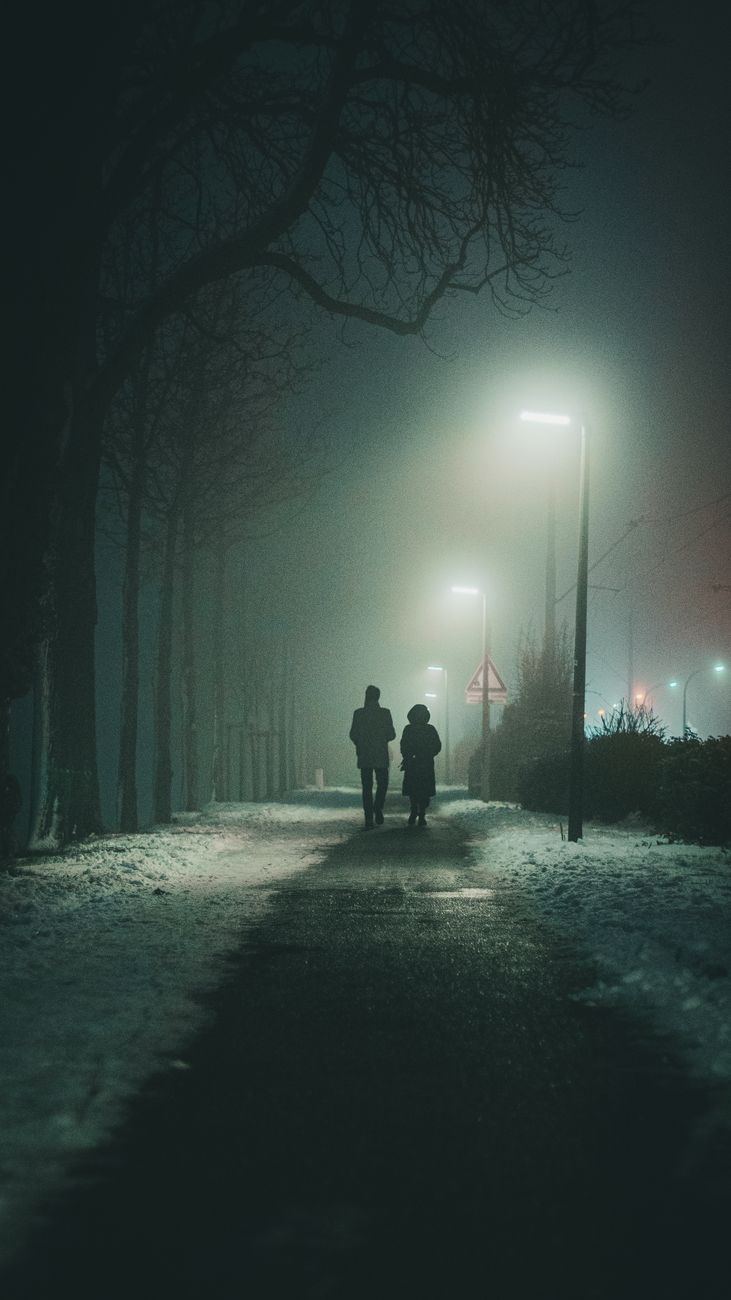
It usually starts quietly. The alarm goes off and it’s still dark outside. At half past four in the afternoon, the streetlights come on. You’re tired even though you slept enough, you’re more irritable than usual and you don’t really feel like doing anything. And somewhere in the back of your mind, a thought pops up: what’s actually wrong with me?
The honest answer: probably nothing that’s “wrong” with you. The winter blues isn’t a character flaw, and it isn’t a sign that you just need to pull yourself together. It’s a very human reaction to a season that challenges our body and our nervous system on several levels at once.
What happens in your body in winter
The most important timekeeper for our internal clock is light.
As soon as it gets light in the morning, your brain gets the signal: daytime. The release of melatonin, the sleep hormone, is reduced, and cortisol rises slightly and wakes you up. At the same time, daylight plays a role in serotonin balance, which is closely linked to drive and mood.
In winter, this finely tuned system gets thrown off.
On a gloomy December day, often only a few thousand lux reach us outdoors; in summer it’s easily ten times that or more. Indoors it’s even darker. For your brain, that’s an unclear signal: is it day or already evening? As a result, melatonin may stay in your system longer, you may feel sleepy during the day and your mood may fluctuate.
Then there’s vitamin D, which our body mostly produces through sunlight on the skin. In northern latitudes, such as much of Europe, Canada and the northern US, the sun is too weak for this from roughly October to March.
Low vitamin D levels are associated with fatigue and low mood. Whether they play a role for you can be checked with a simple blood test at your doctor’s office, instead of taking high doses on a hunch.
Why it still doesn’t feel “just physical”
If your nervous system is already carrying a lot, winter often hits you harder. If you experience a lot of stress, are solely responsible for children or live with stressful relationships and family conflicts, you have less of a buffer.
Winter then takes away exactly what usually helps us regulate: moving outdoors, spontaneous meetups, sun on your face, a sense of space.
At the same time, the demands increase. For many, the run-up to Christmas is a time full of appointments, expectations and emotional baggage. If you have a difficult family, you can feel the tension rising as early as November.
Darkness, exhaustion and old feelings collide, and the result feels like a sadness without a clear reason. Often, though, there are several.
Withdrawal plays a role too. A bit more rest in winter is natural and even sensible. But when rest turns into isolation, your nervous system loses important signals of safety that it gets from contact with other people. That often makes the low mood even heavier.
Winter blues or seasonal depression?
The term winter blues describes a mild, seasonal dip in mood: less energy, a greater need for sleep, more cravings for sweets and carbs, an underlying melancholy. You function, but everything feels a little more sluggish.
This needs to be distinguished from seasonal affective disorder, often called seasonal depression or winter depression. It is a serious condition. Signs include low mood that lasts almost every day for more than two weeks, losing joy in things that usually matter to you, withdrawing more and more, guilt or hopelessness taking over, and your everyday life noticeably suffering.
If you recognize yourself in this, it’s no reason to feel ashamed, but a good reason to talk to your doctor, a therapist or a counseling service. Seasonal depression is very treatable. If you notice dark thoughts taking over: in the US, you can call or text 988 (Suicide & Crisis Lifeline) at any time, in the UK and Ireland you can call Samaritans on 116 123, and elsewhere your local emergency number or crisis line can help.
What really helps now
1. Light, as early as possible. The most effective lever is daylight in the morning. Even a 20- to 30-minute walk outside gives you far more light than a day by the window, even when the sky is gray.
If that doesn’t fit into your day, a 10,000-lux light therapy lamp can help. It’s usually used in the morning for about 20 to 30 minutes. If you have an eye condition or take certain medications, talk to your doctor first.
2. A reliable rhythm. Your nervous system loves predictability. Fixed wake-up and bedtimes, even on weekends, help your internal clock stabilize. In the evening, on the other hand, it’s good to let things get deliberately darker and warmer. Dimmed, warm light signals to your body that it can wind down.
3. Movement as regulation, not performance. This isn’t about training plans. A walk, a few minutes of stretching, dancing in the kitchen. Movement helps your body break down stress hormones and gives you the feeling that you can do something.
4. Small moments of connection. Instead of waiting for big plans that you then cancel, deliberately plan small contacts: a voice message to a friend, a coffee with your neighbor, a phone call on the way home. Co-regulation, calming down through other people, is one of the most powerful tools your nervous system has.
5. Boundaries in the holiday season. You don’t have to accept every invitation or meet every expectation. Especially if family means stress for you, winter can also be a time when you consciously do less. A clear no often protects you more than any self-care routine.
6. Retreat with intention. Rest isn’t the problem. What helps is shaping it deliberately: an evening with a book and tea instead of endless scrolling, a free Sunday morning instead of a full calendar. That way, retreat becomes recovery instead of isolation.
When the dark days get heavy: a tapping script for the winter blues
It’s dark in the morning and dark again in the afternoon. You’re more tired than usual, everything feels sluggish, and even things that usually bring you joy suddenly take effort. The winter blues isn’t a sign of weakness. Less daylight throws your body’s rhythm off, and your nervous system responds with withdrawal and heaviness.
EFT tapping can help you acknowledge this heaviness instead of fighting it. Often, that’s exactly what gets things moving again a little. It’s best to tap in the morning in daylight, for example by a window.
New to tapping? An introduction to what EFT tapping is, where the nine tapping points are and how a tapping round works is something you’ll find on Heal your Body: EFT Tapping for Beginners.
Duration: 5–10 minutes. Before you start, rate how heavy your day feels right now on a scale from 0 to 10.
Setup (karate chop point, each sentence once)
- “Even though everything feels gray and heavy right now, I’m okay just as I am.”
- “Even though I’m tired and can’t get myself to do anything, I lovingly accept myself.”
- “Even though I long for light and warmth, I’m allowed to start today with small steps.”
Round 1: Acknowledging the heaviness
- Eyebrow: “This tiredness.”
- Side of the eye: “Everything feels so gray.”
- Under the eye: “I miss the light.”
- Under the nose: “My body just wants to hide away.”
- Chin: “Even little things take energy.”
- Collarbone: “I’m disappointed in myself for getting so little done.”
- Under the arm: “This heaviness inside me.”
- Top of the head: “This whole winter inside me.”
Take a deep breath in and out.
Round 2: Compassion instead of pressure
- Eyebrow: “Maybe my body simply needs more rest right now.”
- Side of the eye: “Nature withdraws in winter too.”
- Under the eye: “I don’t have to achieve as much as in summer.”
- Under the nose: “I’m allowed to be slower.”
- Chin: “I’m not lazy, I’m exhausted.”
- Collarbone: “I meet myself with kindness.”
- Under the arm: “The heaviness is allowed to be here.”
- Top of the head: “And still, I am here.”
Take a deep breath in and out.
Round 3: Small moments of light
- Eyebrow: “Today I’ll find myself a small moment of light.”
- Side of the eye: “A few minutes outside.”
- Under the eye: “A warm mug in my hands.”
- Under the nose: “A person who is good for me.”
- Chin: “Small steps count.”
- Collarbone: “The days are getting longer again.”
- Under the arm: “I carry my own light inside me.”
- Top of the head: “I’m ready for a gentle day.”
Take one last deep breath in and let the breath flow out slowly. How heavy does your day feel now? Afterwards, go straight for one of those moments of light, ideally within the next hour.
Important: If the low mood lasts longer than two weeks, you hardly feel any joy anymore, or your sleep and appetite change significantly, seasonal depression may be behind it. Please talk to your doctor. There is effective help, such as light therapy.
You don’t have to just get through winter
The winter blues reminds us that we aren’t machines that function the same all year round. If you take your body’s signals seriously instead of pushing them away, this season can even become a time when you learn to treat yourself more kindly.

For your nervous system: If you notice that your body is constantly in alarm mode right now, the 7-Day Nervous System Reset can help you bring more calm into your everyday life with small daily exercises. It’s deliberately designed to stay doable even on tired winter days.
Part of the Circle Light doesn’t only affect your mood, it also affects your cortisol levels. How to light your home in winter so it supports your nervous system is something you can read about on Heal your Home: “Lighting for Stressed Moms: How Warm vs. Cool Light Affects Your Cortisol Levels”.
If you want to do something good for your body without putting pressure on yourself, you’ll find more on Heal your Body: “The Best Home Workouts for Winter”.
Note: This article does not replace medical or psychotherapeutic advice.
Leave a Reply