
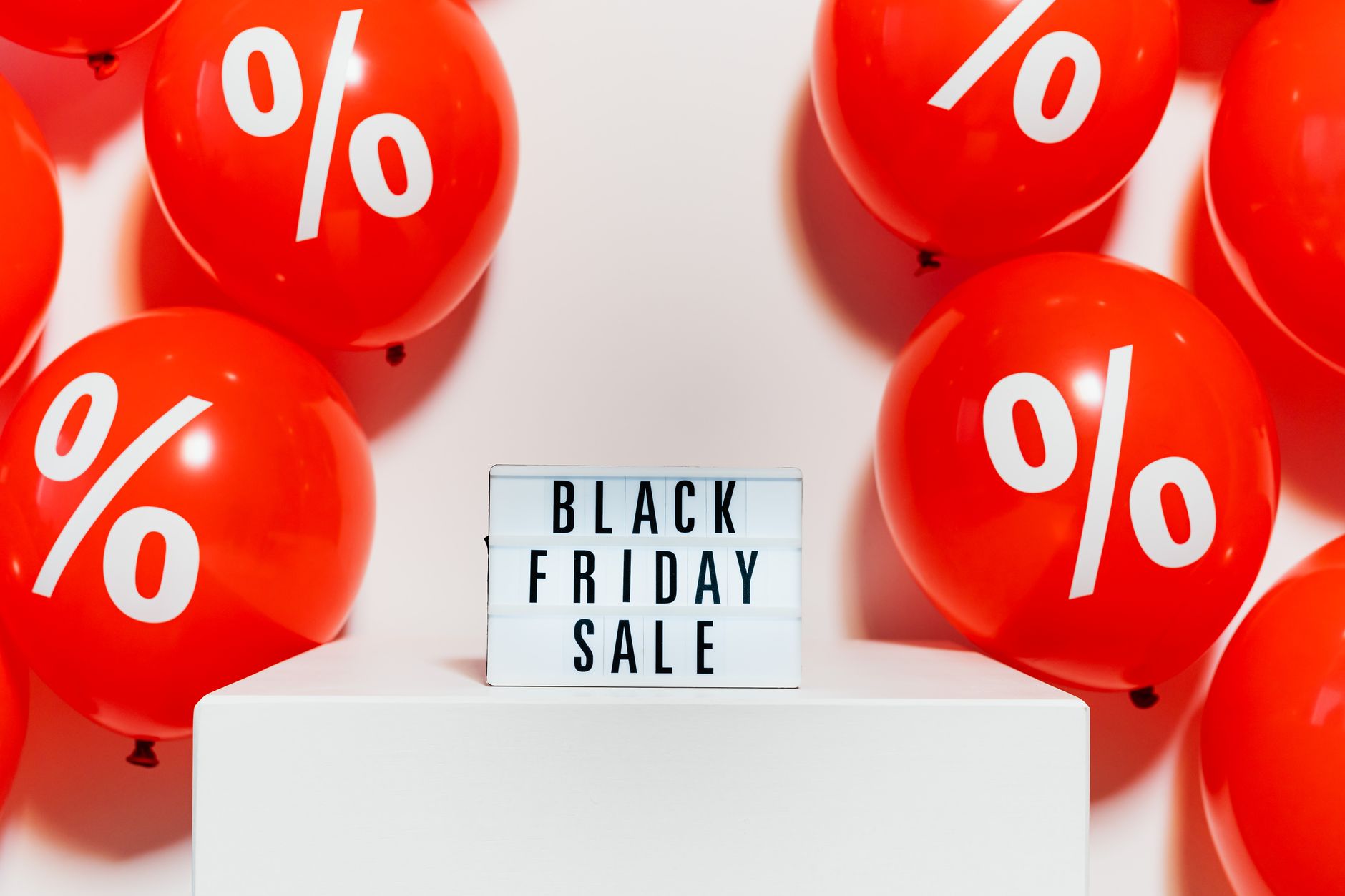
It’s that time again: Black Friday lands on November 27, followed by Cyber Monday on November 30. Countdown timers have been ticking in online stores for days, newsletters promise “today only,” and beneath almost every checkout sits the same friendly line: Buy now, pay later.
This isn’t a lecture about willpower. If you end up buying more than you planned this week, you’re not weak or foolish. Most likely, your nervous system is simply exhausted – and the discount frenzy is designed for exactly that state.
Why buying soothes – at least for a few minutes
When you live in chronic stress, you’re constantly looking for small moments of relief. A purchase delivers exactly that. Even the anticipation activates the brain’s reward system. It’s less about the product itself and more about the wanting – that brief sense of “this will make things better.”
For a nervous system already stuck on high alert, that moment feels like a deep breath. You made a decision, you did something for yourself, you had control for a second. The problem: the relief rarely lasts longer than the shipping confirmation.
There’s something else many people underestimate: in survival mode, our time horizon shrinks. When we’re stressed, we think in hours, not months. “Pay later” then feels as if “later” doesn’t really exist. That’s not a character flaw – it’s biology. A stressed brain prioritizes the now.
Black Friday is built for a stressed nervous system
Look at the classic elements of a sale through the eyes of your nervous system:
- Countdown timers create time pressure.
- “Only 3 left” signals scarcity.
- “248 people have this in their cart” triggers the fear of missing out.
These are all alarm signals. The store first creates stress – and then offers you relief from that very stress through a purchase. A perfect loop, just not in your favor.
Buy now, pay later (BNPL) services like Klarna, Afterpay or PayPal Pay Later amplify this. Normally, we feel a small inner resistance when we pay. This “pain of paying” is actually a healthy brake. When payment isn’t due for weeks, that brake disappears. It’s no coincidence that so many stores display these options so prominently: research from Goethe University Frankfurt found that online sales can rise by up to 20 percent when BNPL is offered.
Buy now, pay later – but your nervous system pays first
The real trap doesn’t start at checkout. It starts afterwards:
- The payment reminder arrives.
- Shame kicks in: “How could I spend that much?”
- Shame leads to avoidance – the app stays closed, letters stay unopened.
- Not looking creates new background stress.
- And what calms stress in the short term? Exactly.
That’s how a bargain turns into a cycle that has less to do with money and more to do with regulation.
Who is especially vulnerable – without any blame
Moms in chronic stress. For many mothers, scrolling after the kids are in bed is the only part of the day that feels like “mine.” The shopping cart becomes a substitute for rest, recognition or a little joy.
People from narcissistic or toxic families. If you learned that your needs were “too much,” you probably allow yourself very little in everyday life – and then compensate with purchases in moments of deep exhaustion. Sometimes money in the family was a tool of control or a stand-in for affection. That imprint stays with us long into adulthood.
People in survival mode. If you’ve been just functioning for months or years, there’s hardly any capacity left for planning. That’s not a lack of common sense – it’s a nervous system with no reserves left.
What actually helps – no guilt trip required
You don’t have to boycott Black Friday. The goal is that you decide – not your alarm state.
- Set your budget beforehand. Not in the store, but today, calmly. Write down one number and a maximum of three things you truly need or consciously want to treat yourself to.
- Cart, not checkout. Anything that isn’t on your list can sit in your cart for 24 hours. If you still want it tomorrow, you can still buy it tomorrow.
- Ask the question behind the purchase. What do I really need right now: rest? comfort? a sense of control? a reward after a hard day? Often that need can be met differently – and more cheaply.
- Choose “pay now” on purpose. Skipping BNPL brings the healthy brake back. Also check whether installments are preset in your apps.
- Remove the triggers for the weekend. Turn off push notifications, filter newsletters into a separate folder, or move shopping apps off your home screen for a few days.
- Regulate first, decide second. A few minutes of tapping, a short walk or a long exhale move your nervous system out of alarm – and bring your thinking back to the future.
Mini tapping script for the moment before you click
When you notice your thumb hovering over “Buy now”: put your phone down for a moment. Rate how strong the urge to buy is right now on a scale from 0 to 10.
Karate chop point (3×): “Even though I have this strong feeling that I need to buy this right now, I accept myself as I am.”
- Eyebrow: This pressure.
- Side of the eye: Only today, only a few more hours.
- Under the eye: I want it now.
- Under the nose: This restlessness inside me.
- Chin: Maybe this isn’t about the product at all.
- Collarbone: Maybe I just need some calm.
- Under the arm: I’m allowed to take my time.
- Top of the head: The deal can wait. I matter more.
Take a deep breath out and rate the urge again. If it’s still high, do another round. Often one round is enough to create the distance you need for a real decision.
Important: Tapping can noticeably reduce money-related stress – but it doesn’t replace planning or help with real debt. If payments are getting out of hand, reach out to a nonprofit credit counseling service (in the US, for example, an agency affiliated with the NFCC).
Conclusion: You’re not undisciplined – you’re exhausted
Black Friday shows, as if under a magnifying glass, how closely money and the nervous system are connected. When you live in survival mode, you look for relief – and the discount industry knows that very well. The good news: once you understand what inside you is looking for comfort, you get your decision back.

If your nervous system rarely gets a break, the 7-Day Nervous System Reset guides you step by step back into a greater sense of inner safety – including EFT tapping. Visit the shop
Coming soon: I Want to Be Rich, for Crying Out Loud!
Beyond the Manifestation Hype: An Honest Guide to Money, Debt and Survival Mode
Survival mode, shame around money, the pull of “pay later”: all of this is at the heart of my new book I Want to Be Rich, for Crying Out Loud!, which is coming out in English very soon.
It’s not another manifestation book promising that the right mindset will make money appear. It’s an honest look at why so many of us are stuck in financial survival mode. You’ll read about the money stories we inherit from our families, how buy now, pay later quietly piles up debt, and why the wealth hype on social media rarely tells the whole truth. You’ll also get a self-test, “What does wealth really mean to me?”, and practical first steps toward your own financial potential. Because in the end, wealth is planning, not survival.
Part of the Circle
Shopping for comfort is no accident – some products even promise us a sense of belonging. On Heal your Spirit, you’ll learn why: Why wellness products sell you a sense of belonging they can’t deliver.
Leave a Reply