
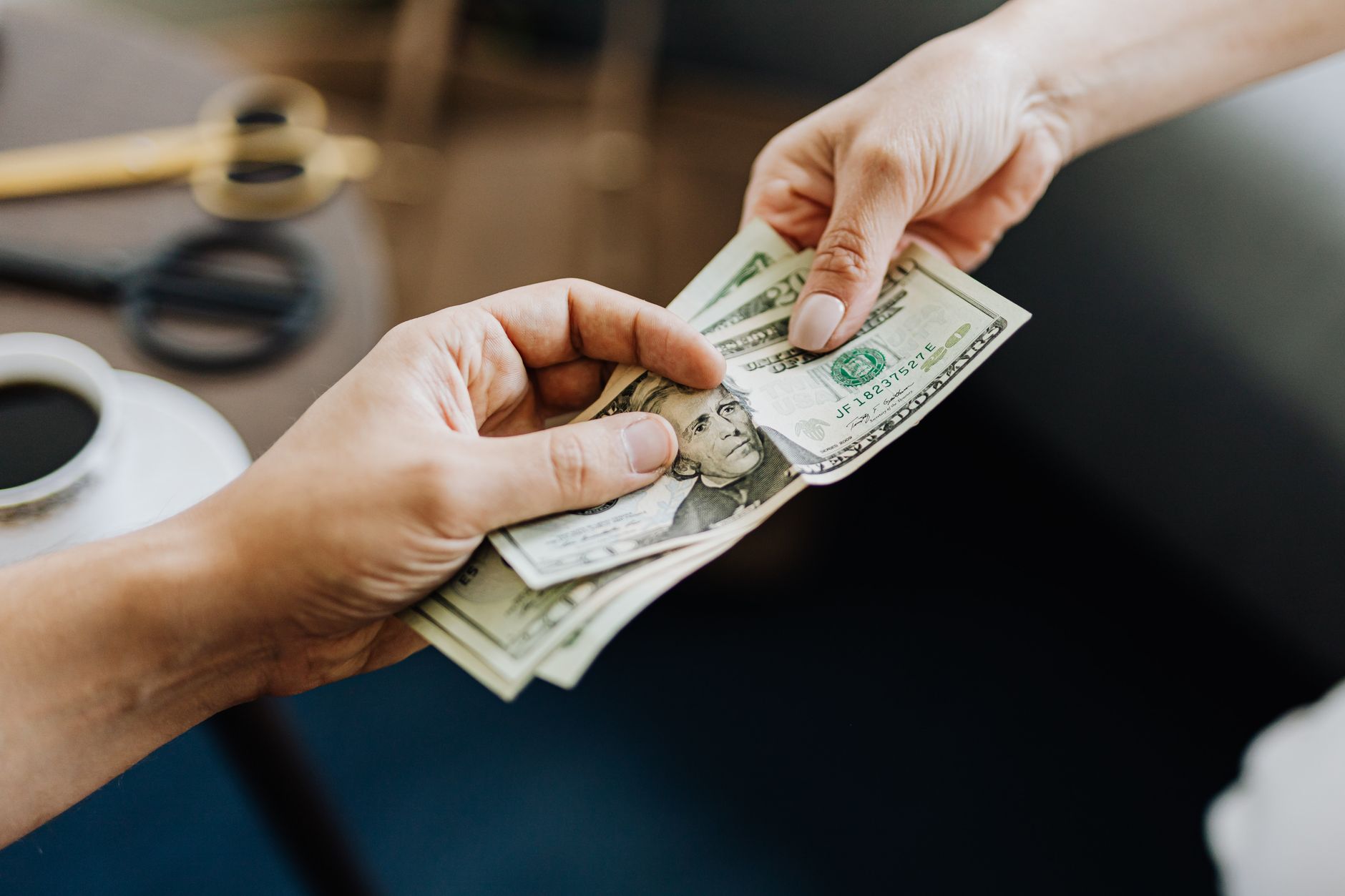
“What do you need that for?” A harmless question. Until you realize you hear it every time you shop. That you keep receipts so you can justify yourself. That for years now you haven’t known how much money the two of you actually have.
Financial abuse – also called economic abuse – is one of the least visible forms of abuse in relationships. It leaves no bruises. And it’s often recognized only when someone wants to leave and realizes: I can’t afford to.
What is financial abuse?
Financial abuse happens when one person uses money, income, or assets to control another person, make them dependent, or exploit them. It isn’t about who earns more. Plenty of couples are happy with one main income. The difference lies in power, transparency, and choice.
It’s far more common than most people realize. According to the National Network to End Domestic Violence (NNEDV), research indicates that financial abuse occurs in 99 percent of domestic violence cases – across all income levels, educational backgrounds, and ethnic groups. The NNEDV also names it as one of the primary reasons survivors stay with, or return to, an abusive partner. Since 2022, economic abuse has been explicitly recognized in the federal Violence Against Women Act.
Common forms of financial abuse
Control: One partner manages all the money alone. You get an “allowance,” have to account for spending, or ask for money. Bank statements, contracts, and passwords are off-limits to you.
Sabotage: You’re kept from working, studying, or building a career. Sometimes openly (“A mother belongs with her children”), sometimes subtly: fights before important appointments, sudden illness on the day of your interview, belittling your professional plans.
Exploitation: Loans are taken out in your name, you co-sign his debts, your savings go into “joint” projects that end up belonging to him. Or your name is missing from the deed of the house you’re paying off together.
Punishment: Money is withdrawn when you “step out of line.” The credit card gets canceled, joint accounts get emptied, child support gets delayed.
After the breakup: Financial abuse often doesn’t end with the relationship. Support payments are delayed, income is underreported, and court proceedings are dragged out until you’re too exhausted to keep fighting.
Why narcissists use money as a tool of power
In narcissistic relationships, money is rarely just money. It’s a tool for creating dependence. At first it often looks generous: he pays for everything and suggests you work less “so things are easier for you.” That phase is part of the love bombing.
Later, the generosity flips into control. Every purchase gets commented on, every expense becomes an act of mercy. And when you push back, you hear: “You’d have nothing without me.” It’s the classic pattern I describe in [LINK: DARVO: Why narcissists turn you in the offender – you get turned into the ungrateful one.
How to recognize financial abuse: 10 warning signs
- You have no overview of your finances, and you’re not allowed to.
- You have to ask for money for everyday things or justify what you spend.
- You don’t have your own bank account, or you can’t access it.
- Your work or education is made difficult or belittled.
- He makes major financial decisions alone.
- You have debts and aren’t sure exactly how they came about.
- Money is used as a reward or punishment.
- You’re afraid to talk about money.
- You don’t know how you would support yourself if you left.
- You’re so ashamed that you don’t talk to anyone about it.
If several of these sound familiar, that isn’t proof – but it is a signal worth taking seriously.
Why it’s so hard to leave
Financial dependence is one of the main reasons people stay in abusive relationships. Without your own money, job, or credit history, you’re facing the question: Where would I even go? Women who stepped back from their careers to raise children often experience this as a trap.
And then there’s shame. “How could I let this happen?” is a sentence many survivors know. The answer is simple: because it happened gradually. Because at first it looked like care. And because your nervous system adapts to control in order to avoid conflict.
First steps back to financial independence
- Gather information. Write down what you know about your finances: accounts, contracts, insurance, loans. Photograph important documents and store them somewhere he can’t access.
- Open your own account. Ideally at a different bank, with online access only you know about. Even small amounts create room to act.
- Get advice. Domestic violence advocates, nonprofit credit counselors, and family law attorneys know this pattern. Many offer free initial consultations.
- Safety before confrontation. If you’re afraid of how he’ll react, don’t announce your steps in advance. Plan them with support.
- Let go of the shame. Financial abuse is a form of abuse. The responsibility lies with the person who controls.
Help in the US: The National Domestic Violence Hotline is available 24/7 at 1-800-799-7233 or by texting START to 88788. Advocates there can also help you create a safety plan that includes your finances.

Financial abuse doesn’t just leave gaps in your bank account – it leaves gaps in your self-worth. In my book “Emotional Healing After Narcissistic Abuse” you’ll work through shame, guilt, and the feeling of no longer trusting yourself, using reflection questions and EFT tapping.
Part of the Circle: When you start over after a breakup, your home often changes too. Why that’s no coincidence, you can read on Heal your Home: Your Home as a Mirror of Your Healing.
Leave a Reply