


Grey rocking is everywhere right now. Every other reel, every advice thread: become the grey rock.
Show no reaction.
Take away the other person’s stage, and they’ll lose interest.
It sounds like an elegant solution to a problem that doesn’t really have one.
And yes – grey rocking can work. But the question almost nobody asks is: at what cost?
What grey rocking actually is
The idea comes from dealing with narcissistic or highly manipulative people when full no-contact isn’t (yet) possible – shared custody, the workplace, or family situations where relatives expect you to stay in touch.
Instead of arguing, justifying yourself, or reacting emotionally, you respond as neutrally, briefly, and uninterestingly as possible. No feelings, no target, no stage.
The logic: manipulative people, especially those with narcissistic traits, draw a lot of satisfaction from other people’s emotional reactions. Anger, tears, justification, even conflict – all of it is attention, and attention is the currency at stake. Stop supplying that currency, and the interaction becomes boring for the other person.
That theory isn’t wrong. It’s just incomplete.
Where grey rocking genuinely helps
In clearly limited, occasional contact situations, grey rocking can be a real tool. The brief weekend handover of a child. The holiday gathering you can’t skip. The colleague you’re forced to work with on a project. In those moments, emotional neutrality can keep you from getting pulled back into a pattern you’ve already left behind.
It also gives you something that’s often missing in these situations: a sense of agency.
Instead of falling helplessly back into the old dynamic, you have a strategy. That alone can restore a feeling of control – and that matters.
What rarely gets discussed: the cost of staying grey
This is where it gets uncomfortable. Grey rocking is often presented as a simple switch you flip – neutral in, neutral out, no cost involved.
That’s not accurate.
Emotional neutrality isn’t a natural response, it’s a performance.
Your nervous system registers the provocation, the attack, the trigger – regardless of whether your face shows it. The impulse to react still happens. Grey rocking means actively suppressing that impulse while it’s occurring. That’s self-regulation under high tension, not the absence of tension.
This resembles what psychology describes as emotion work or suppression: consciously suppressing an emotional expression while the internal arousal continues underneath.
Research on this fairly consistently shows that suppression – unlike reappraisal, or reframing a situation – doesn’t lower the physical stress response, and often raises it instead.
You look calm on the outside while your body stays on high alert. That’s the point where grey rocking shifts from a tool into a burden.
If you use this technique not occasionally but constantly – in an ongoing relationship, in unavoidable contact with a parent or ex-partner – you’re essentially training your nervous system to stay chronically on guard while denying it any outward expression.
Over time, that combination is exhausting. Some people describe a numbness that eventually stops switching on and off — even in situations where it would actually be safe to show themselves again.
When grey rocking becomes risky
One point that’s almost entirely missing from most advice: grey rocking can escalate a situation. Some narcissistically structured people don’t respond to withdrawn attention with retreat, but with increased pressure – more provocation, more boundary violations, and in some cases more aggression, because the absence of the expected reaction is itself experienced as a loss of control.
If there’s any real possibility of physical or sharply escalating conflict, grey rocking is not the right strategy — that calls for different safety measures, and where needed, professional support.
Caution is also warranted around children who witness the interaction: a parent who appears consistently “grey” and emotionless can be confusing, even unsettling, for a child if the context isn’t explained in an age-appropriate way.
What actually helps in the long run
Grey rocking is best understood as crisis management for a single, unavoidable moment – not as something that heals you long-term. It’s a shield, not a home.
If you notice you need this technique not just occasionally but almost constantly, that’s often a signal: your system is telling you it needs more distance than you’re currently allowing yourself. That might mean reducing contact further (low contact), setting clearer boundaries with outside support, or – where possible – ending contact entirely.
And regardless of which strategy you choose in the moment of contact itself: the tension that builds up while staying grey has to go somewhere afterward.
A few minutes of conscious regulation after such an interaction – even just a brief pause that lets your body step down from alert mode – often makes a bigger difference than the tactic itself.
This is exactly where our 7-Day Nervous System Reset comes in: small, everyday-friendly exercises that help you bring your system back down after moments like this, instead of letting the tension quietly stack up.

Produkte nach Schlagwort
-
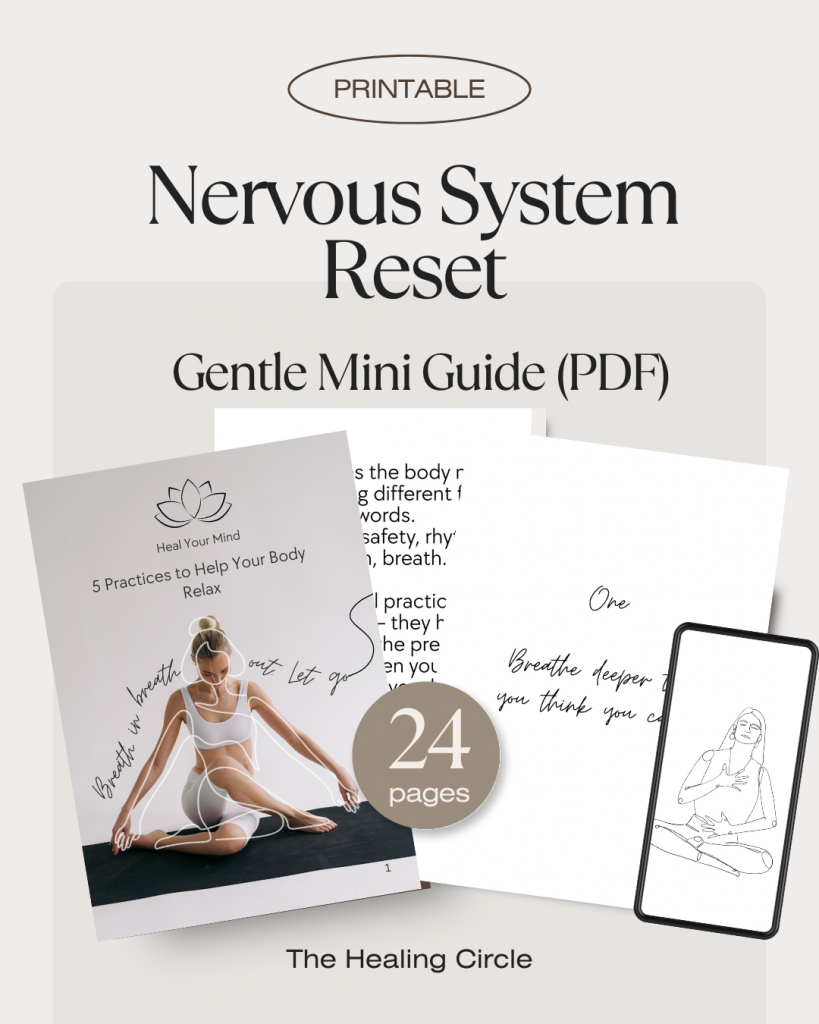
5 Practices to Help Your Body Relax – Calm Your Nervous System & Release Stress
0,00 € -
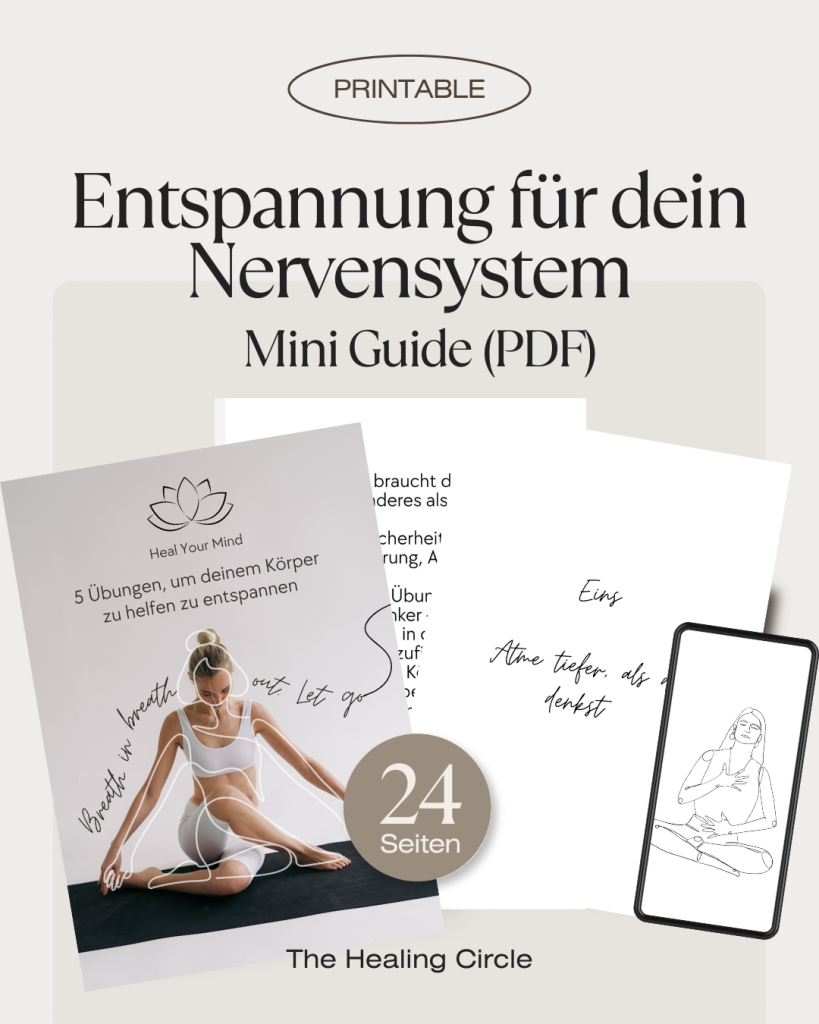
5 Übungen zur Beruhigung deines Nervensystems – Mini Guide für mehr Ruhe und Selbstregulation
0,00 € -
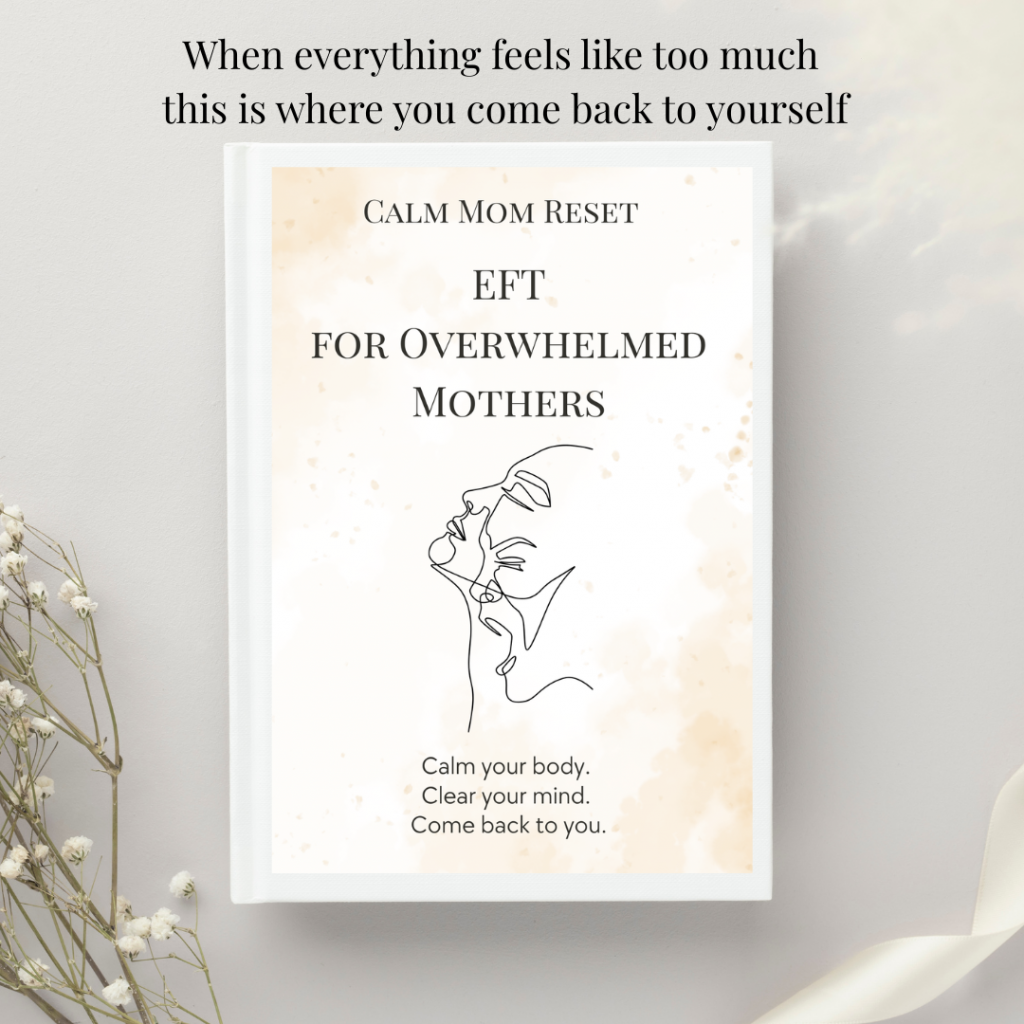
Calm Mom Reset – EFT Tapping for Overwhelmed Moms – 5 Minute Nervous System Relief – Anxiety & Stress Release for Mothers
29,00 € -

Calm Mom Reset + Coloring Book Bundle – Anxiety Relief for Moms – Printable Self Care + Motherhood Affirmations
24,00 € -
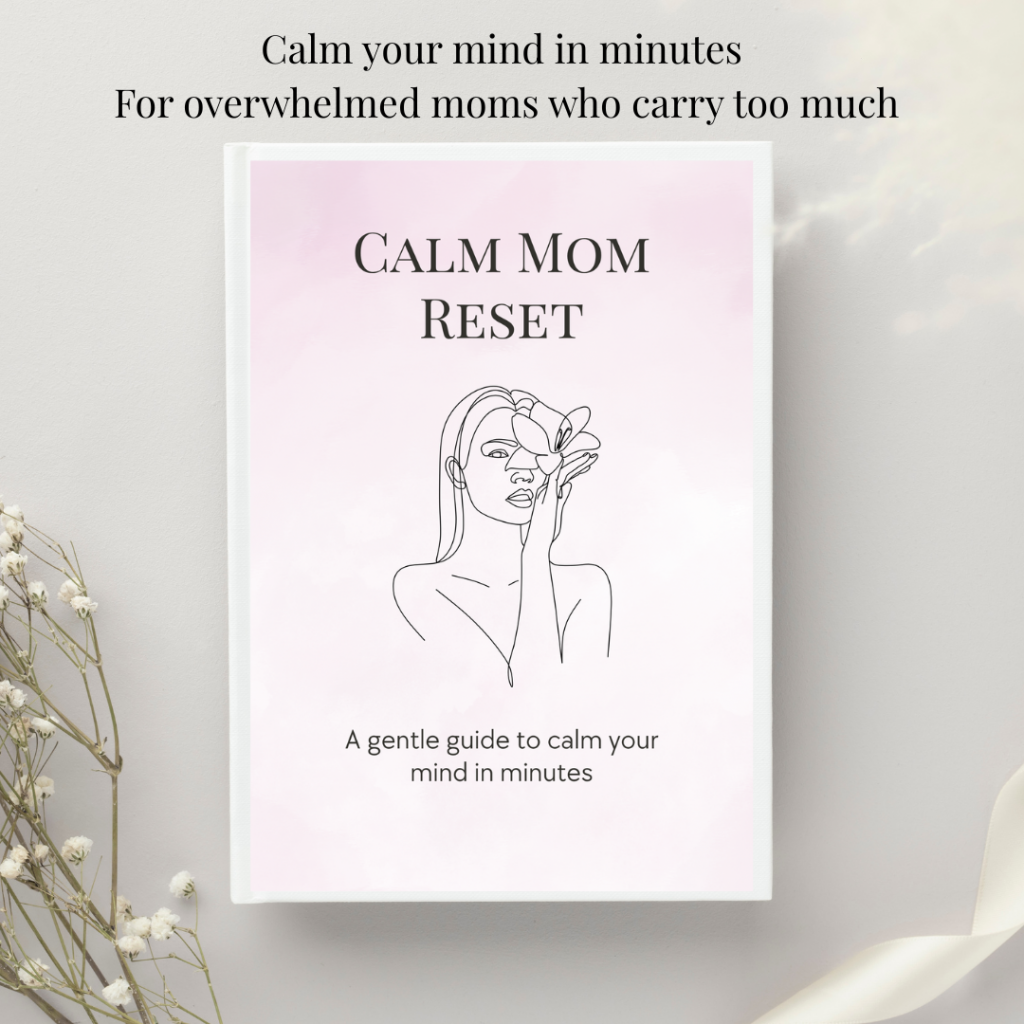
Calm Mom Reset Printable PDF – Nervous System Reset for Moms – Anxiety Relief Guide
17,00 € -

Coloring Book for Mothers – Flowers & Motherhood – Gentle Nervous System Support
12,00 € -

Dream Summer Art Cards (5 Prints) for Nervous System Regulation
5,00 € -
EFT Tapping for a Healthy Pregnancy – Calm Anxiety & Fear of Birth | Nervous System Support for Moms-to-Be
37,00 € -
Heal your Body – Nervous System Regulation & Deep Inner Calm
19,00 €
Leave a Reply